






Passer au contenu principal

FS-Elliott

FSE Logo

Pneumatic vs. Electric Valve Actuators for Centrifugal Compressors

février 23, 2023
Pneumatic vs. Electric Valve Actuators for Centrifugal Compressors

Compressor Control Valves

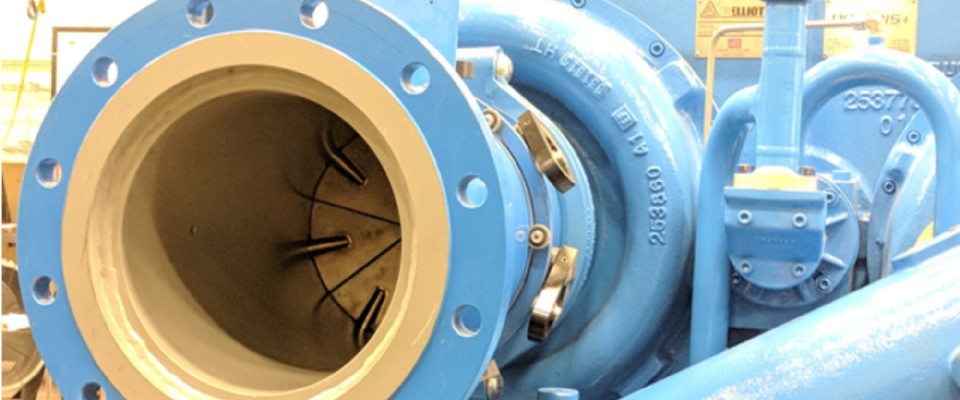
Control valves play an important role in centrifugal compressor operation. Typical valves supplied with a compressor package include the inlet valve, discharge check valve, and, when required, a shut-off valve. The inlet and unloading valves are automatically controlled by the compressor control system and help maintain safe and efficient operation across varying demand conditions.

Each valve requires an actuator to provide the force needed to open, close, or position the valve. Pneumatic and electric actuators are the two most common options used on centrifugal compressors. Both technologies are widely used in industry, but their performance characteristics differ in several key areas. Understanding these differences can help operators and engineers select the most suitable solution for their application.

How Valve Actuators Operate


Pneumatic Valve Actuators

Pneumatic actuators use compressed air to move a piston or diaphragm, converting air pressure into mechanical motion. A current-to-pneumatic (I/P) transducer receives a signal from the compressor control system and adjusts the actuator position accordingly.

Their straightforward design has made pneumatic actuators a common choice across a wide range of industrial applications. Fast response times, proven reliability, and simple fail-safe configurations are among the reasons they continue to be widely used on centrifugal compressors.

Electric Valve Actuators

Electric actuators use a motor and gearbox assembly to position the valve. The actuator receives a signal directly from the compressor control system, allowing precise positioning without the need for a compressed air supply.

Many facilities choose electric actuators when precise control and integration with plant automation systems are priorities. Because they contain additional electronic and mechanical components, maintenance requirements and operating characteristics may differ from those of pneumatic systems.

Valve Comparison


Below lists a table of detailed analyses of the comparisons.

Comparison Electric Pneumatic Comment
Force Availability Extremely High but smaller size High larger size No impact
Explosion Proof Need to build per safety code compliance Does not generate sparks or heat Pneumatic is a safer option
Overload Ability High risk of overload shutdown from motor heat protection; Risk of gearing wearing out Normally designed with larger margin for overloading Pneumatic will be a better option for instantaneous overloading
Lifespan Relatively shorter but adequate Excellent especially for frequently varying loads Not a big difference
Fail Safe Feasible but cost is higher Common and low cost (Spring return option) Pneumatic is a better option
Responding Time Relatively slower; Could be faster but with an impact on cost Excellent response with low cost Pneumatic is a better option and more economic
Hazardous Conditions Delicate electronic components. Requires certifications for specific environments. Rugged, can withstand higher pressures and temperatures. Pneumatic offers more options in hazardous environments.
Control Efficiency Operation is approximately 80% efficiency Greater than 80% when coupled with PID control efficiency.  Both offer excellent efficiency during operation.
Reliability More complex design; Good for design conditions Simple and mature design; Robust and better reliability Pneumatic is more mature and reliable
Lead Time Around 12 weeks Around 12 weeks No impact
Maintenance Complex for service; usually need replacement Simple and easy service for the actuator, but not for electrical accessories Pneumatic is more convenient for service
Control Integration Direct Signal I/P Transducer Not big impact
Utility Requirement Electricity only Electricity and air Not big impact for most industries
Noise Level Good Slightly higher noise No impact
Dimensions Compact Slightly Bigger No impact
Weight Slightly heavier Good Not big impact
Price Less expensive More expensive Electric may cost less initially, but have higher maintenance costs

Selecting an Actuator for a Centrifugal Compressor


Actuator selection depends on the operating requirements of the compressor and the environment in which it operates. Factors such as response time, fail-safe operation, maintenance requirements, environmental conditions, and integration with plant controls should all be considered during the evaluation process.

Electric actuators can be a suitable option when precise positioning and direct electrical integration are primary requirements. Pneumatic actuators are often selected when rapid response, overload tolerance, fail-safe functionality, and operation in demanding industrial environments are higher priorities.

The comparison table highlights that both technologies can perform effectively in centrifugal compressor applications. The most suitable choice depends on the goals and operating conditions of the facility.

Pneumatic and electric valve actuators each offer advantages depending on the application. Electric actuators provide accurate positioning and eliminate the need for a dedicated air supply, while pneumatic actuators offer fast response, straightforward serviceability, and a long history of use in industrial compressor systems.

FS-Elliott’s compressors are supplied with pneumatic actuators as the standard configuration due to their dependable operation and quick response during changing compressor conditions. Electric actuators are also available when application requirements call for them.

Optimize Compressor Performance with the Right Valve Actuation

Connect with our team to explore how selecting the right valve actuation technology can help improve compressor control, enhance operating efficiency, and support reliable performance under varying operating conditions.

YOU MAY ALSO LIKE

Continue Reading


Types of Air Compressors White Paper
White Paper
Pam Wasielewski

Types of Air Compressors & Their Applications

Explore different types of air compressors and their applications. Learn how flow, pressure, air quality, energy consumption, and maintenance requirements influence compressor selection and long-term operating costs.

Read More »
compressor room white paper
White Paper
Pam Wasielewski

How to Make Your Compressor Room Work for You

Learn how to optimize your compressor room to improve efficiency and reduce operating costs. Explore air audit preparation, practical improvement strategies, and how a beverage packaging plant met increased air demand on a limited budget.

Read More »

Connexion

Suivi à distance FS-Connect

Visualisez les données de fonctionnement du compresseur et surveillez ses performances à distance.

Portail FS-Elliott

Accédez aux ressources des partenaires de canal autorisés et des membres de l’équipe interne.