





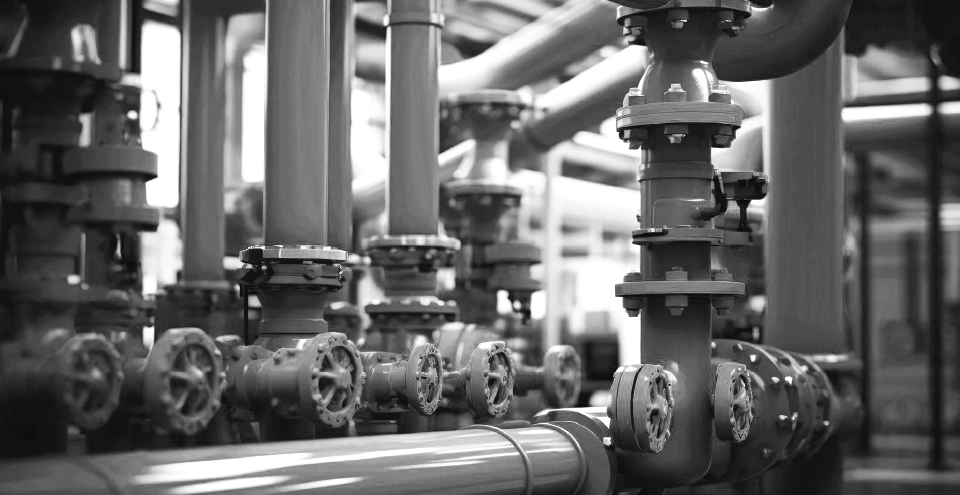

Sealing the Deal: Why Preventative Air Leak Maintenance is Key
5月 15, 2024
Air compressors are indispensable in various industries, powering critical machinery and processes essential for operations. However, they face a common adversary: air compressor leaks. These leaks hamper productivity and inflate energy bills and maintenance expenses. This blog post delves into the significance of preventative maintenance in curbing air leaks and, thus, optimizing air compressor performance.
What Is An Air Leak?
Air leaks within air compressor systems refer to the unintended escape of compressed air from the system, resulting in a loss of pressure and efficiency. These leaks can occur at various points throughout the system, including connections, joints, valves, hoses, and seals. The impact of air leaks on compressor performance can lead to decreased productivity, increased energy consumption, and higher operating costs.
What Are the Common Causes of Air Leaks?
Common causes of air leaks include deteriorating seals, loose fittings, worn-out hoses, and inadequate system maintenance. Addressing these issues proactively is critical to minimizing air leaks and ensuring the longevity and efficiency of air compressor systems.
Air leaks diminish the effectiveness of pneumatic tools and equipment and strain the compressor by forcing it to work harder to maintain desired pressure levels. In addition to reducing operational efficiency, air leaks contribute to unnecessary wear and tear on compressor components, leading to premature failure and costly repairs.
Importance of Preventative Maintenance
Preventative maintenance is very important in addressing air leaks within air compressor systems. It enables early detection and repair of potential leak points before they escalate into larger issues. Operators can identify and address leaks promptly by conducting regular inspections and implementing proactive maintenance strategies, minimizing downtime and preventing costly repairs.
What Does Preventative Maintenance Include?
Proactive maintenance involves scheduled checks of system components, such as
- Seals
- Fittings
- Hoses
- Valves
This approach helps maintain optimal system performance, extends the lifespan of compressor equipment, and reduces energy consumption. Preventative maintenance contributes to enhanced operational efficiency, ensuring air compressor systems operate at peak performance levels and deliver consistent and reliable air supply.
Long-Term Benefits of Preventative Maintenance
Investing in preventative maintenance yields substantial dividends in the long run. It mitigates air leak risks, amplifies productivity, slashes operating expenses, and extends equipment lifespan. By partnering with an FS-Elliott channel partner, operators can explore tailored preventative maintenance solutions, fortifying their air compressor systems against leaks and disruptions.
Prevent Air Leaks and Improve Compressed Air Efficiency
Connect with our team to explore how preventive maintenance and proactive leak detection can help reduce energy waste, lower operating costs, and maintain reliable compressed air system performance.
YOU MAY ALSO LIKE
Continue Reading

How Compressed Air Impacts Product Quality and Efficiency in Automotive Manufacturing
Automotive manufacturing relies on compressed air at virtually every stage of production. From robotic assembly and paint operations to material handling and battery manufacturing, compressed air powers critical processes that keep production moving.
Ethylene Plant Saves Over $100K Annually Through Compressed Air System Upgrades
A major ethylene production facility increased compressed air capacity and improved operational reliability through strategic system upgrades, achieving over $100,000 in annual energy and maintenance savings while meeting API 672 requirements.
Cast Iron Foundry Saves Over $55K While Increasing Compressed Air Capacity
A cast iron foundry increased compressed air capacity by 4,500 CFM while reducing energy consumption and maintenance costs through centrifugal compression, achieving over $55,000 in savings and improving operational efficiency.
How a paperboard manufacturer saved over $135K/year by employing a centrifugal compressor.
A paperboard manufacturer reduced operating costs and improved efficiency by transitioning from rotary screw compressors to centrifugal compression, achieving over $135,000 in annual energy and maintenance savings while introducing oil-free compressed air to its processes.