








제조업체가 오일 프리 압축 공기를 선호하는 이유
2026년 5월 21일

Why Oil in Compressed Air Can Be a Hidden Risk
- Product contamination
- Damaged pneumatic equipment or controls
- Increased filter loading and pressure drop
- Condensate disposal complications
- Unplanned downtime from maintenance issues
- Greater compliance concerns in sensitive industries
What ISO 8573-1 Really Means for Compressed Air Quality
- Particles (dust, debris, rust, pipe scale)
- Water (humidity, vapor, liquid moisture)
- Oil (liquid oil, aerosols, vapors)
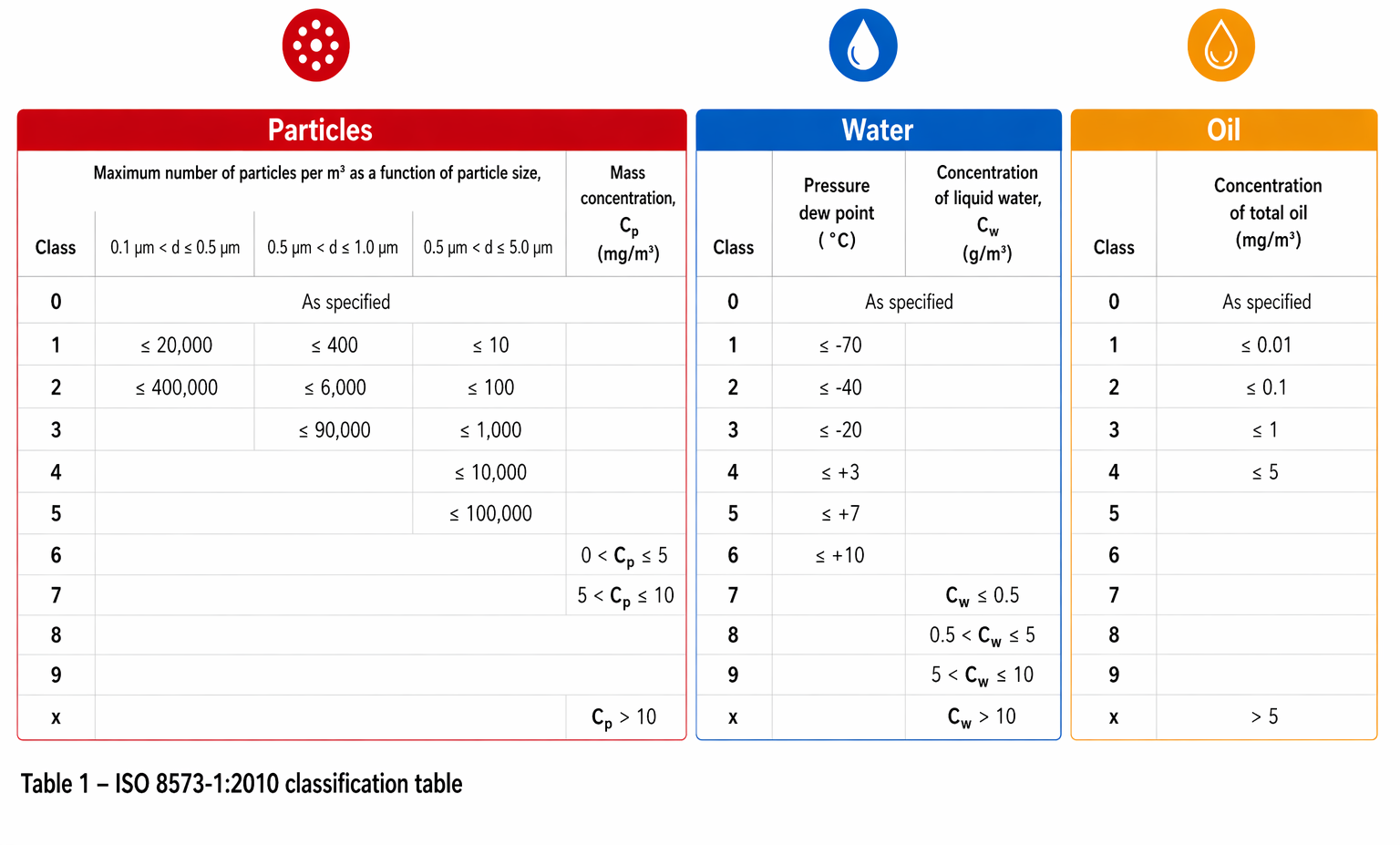
What Does Class 0 Mean and Why It Matters
Lower Maintenance and Fewer Consumables
- Fewer consumables to replace
- Lower service labor requirements
- Reduced pressure loss from loaded filters
- Less maintenance-related downtime
- Cleaner downstream equipment and dryers
Improved Reliability for Continuous Production
Which Industries Benefit Most?
- Food and beverage – Helps reduce contamination risk in products and packaging.
- Plastics molding – Supports cleaner operations and consistent part quality.
- Electronics and semiconductor manufacturing – Provides clean, dry air for sensitive processes.
- Pharmaceuticals – Helps protect product integrity and sanitation standards.
- Packaging – Supports clean filling, sealing, and conveying operations.
- Textile manufacturing – Helps prevent staining and fiber contamination.
- Automotive operations – Benefits paint systems, automation, and air tools.
Final Thoughts
For facilities focused on reliability, efficiency, and product quality, an oil-free centrifugal compressor may be one of the smartest upgrades available.
Improve Reliability with Oil-Free Compressed Air
Explore how FS-Elliott’s ISO 8573-1 Class 0 oil-free centrifugal compressors can help reduce contamination risks, improve equipment reliability, and support long-term operational performance.
자주 묻는 질문
What does oil-free compressed air mean?
Oil-free compressed air refers to air produced without oil contamination entering the compressed air stream during operation. Oil-free centrifugal compressors still use lubricant for bearings and mechanical systems, but that lubricant is isolated from the air path.
Why is oil-free air important?
Oil-free air helps reduce contamination risk, especially in industries where compressed air may contact products, packaging, tools, or sensitive equipment.
Is oil-free compressed air more efficient?
Many oil-free centrifugal compressors are highly efficient, especially in larger continuous-demand applications.
Does oil-free mean maintenance-free?
No. All compressors require maintenance. However, oil-free systems can reduce certain maintenance items such as downstream oil filtration, separator changes, and condensate treatment.
Which industries should consider oil-free compressors?
Food and beverage, plastics, electronics, pharmaceuticals, packaging, and any plant focused on reliability or clean air quality should evaluate oil-free options.
How can I know if oil-free is right for my facility?
A full compressed air system review that considers flow demand, pressure, energy costs, maintenance history, and air quality requirements is the best place to start.
또한 여러분도 좋아하실 수 있습니다.
계속 읽기
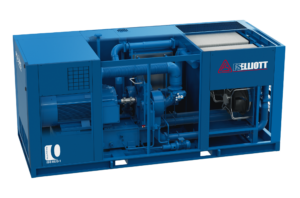

FS-Elliott, Polaris® P300 AC를 소개하여 냉각수 없이 오일 프리 원심 성능 제공
FS-Elliott은 900–2,220 cfm의 ISO 8573-1 Class 0 오일 프리 공기를 제공하는 공냉식 원심 압축기인 Polaris® P300 AC를 소개합니다. 이 제품의 설계는 제조업체가 냉각수 연결부를 추가하지 않고도 새로운 압축기를 설치하거나 용량을 확장할 수 있는 유연성을 제공합니다.

분리형 공기 압축기의 수명 최적화 — 에피소드 5: 컴프레서 자체만큼 운전원 트레인의 상태도 중요합니다
5화에서는 모터, 기어박스, 커플링, 그리고 보조 시스템이 왜 특별한 주의를 받아야 하는지, 그리고 운전원 구동부의 상태가 압축기 안정성에 어떤 영향을 미치는지를 살펴보겠습니다.
집진식 공기 압축기의 수명 최적화 — 에피소드 4: 계측 및 모니터링의 발전
4화에서는 압축기 모니터링, AI 및 엔지니어링의 발전이 상태 기반 유지보수를 지원하고 노후된 장비를 현대화하는 방식을 살펴보세요.