






Air Compressors & Halloween Candy: A Spooky Connection?
October 28, 2020
The invention of centrifugal air compressors dates back about 100 years ago. At that time, candy manufacturers were also trying to find the perfect holiday or season to promote more candy sales. A few unknown holidays were invented, Sweetest Day and Candy Day, but neither became popular.
During the 1920s and 1930s, the tradition of trick or treating started to emerge. However, due to the outbreak of World War II, sugar rationing created a shortage of treats. In the 1940s, with sugar rationing no longer an issue, candy companies began launching advertising campaigns geared towards Halloween.
As centrifugal air compressors became more popular, the introduction of oil-free centrifugal compressors was a game-changer in food and beverage manufacturing. In the early 1970s, pre-packaged candy became the number one choice, and the official Halloween treats for kids.
Candy Processing & Manufacturing Requires Oil-Free Air
In a centrifugal compressor, lubricant performs several critical functions that help protect the compressor during continuous operation, including:
- Reducing friction and wear across bearings, gears, and other lubricated components
- Removing heat generated during operation
- Protecting critical components under sustained mechanical loads
- Helping maintain system cleanliness
Each of these functions depends on the lubricant maintaining its physical and chemical properties throughout its service life.
Even a high-quality lubricant can be affected by the conditions in which it operates. Elevated coolant or ambient temperatures, continuous duty, heavy loading, and long operating cycles can place greater stress on the fluid.
Over time, these conditions can accelerate lubricant degradation. As the fluid loses its ability to maintain proper viscosity, control deposits, and protect critical components, the risk of premature wear increases. Bearings, seals, and gearing can begin experiencing the effects long before there is an obvious change in compressor performance.
By the time reduced performance, elevated temperatures, or an unexpected trip occurs, degradation may have already been developing for an extended period.
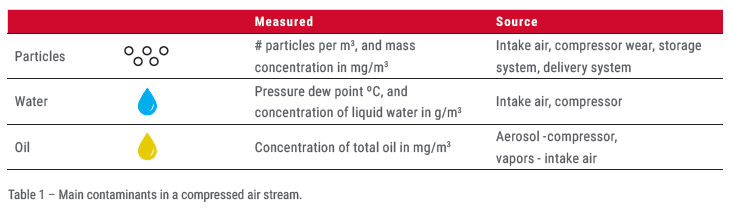
Without properly controlling the contaminants, candy and other products may be exposed to oil, moisture, and other particles that could lead to mold and bacteria growth. The impurities could affect the quality and taste of the candy, but most importantly, it could lead to customer illness, recalls, and damage to their brand’s reputation.
To summarize, did centrifugal air compressors help promote the popularity of pre-packaged candy for Halloween? Probably not. But we do know that oil-free, centrifugal air compressors improve the manufacturing process and ensure that oil-free air is readily available to safely make the sugary treats we love!
For more information on the manufacturing benefits of ISO 8573-1 Class 0, oil-free air please visit our What Can Oil Free Compressors Do for Your Plant blog post.
Keep Candy Production Sweet with Oil-Free Compressed Air
Connect with our team to explore how FS-Elliott’s ISO 8573-1 Class 0 oil-free centrifugal compressors can help protect product quality, reduce contamination risks, and support reliable compressed air performance throughout candy and confectionery manufacturing.
YOU MAY ALSO LIKE
Continue Reading

FS-Elliott Introduces Polaris® P300 AC, Delivering Oil-Free Centrifugal Performance Without Cooling Water
FS-Elliott introduces the Polaris® P300 AC, an air-cooled centrifugal compressor that delivers 900–2,220 cfm of ISO 8573-1 Class 0 oil-free air. Its design gives manufacturers the flexibility to install a new compressor or expand capacity without adding cooling water connections.

AeroSwap & FlowFit | Airflow Conversion & Compressor Planning
Discover how FS-Elliott’s AeroSwap and FlowFit online tools simplify airflow conversions and centrifugal compressor capacity planning in this FS-Elliott University video.

Lifecycle Optimization for Centrifugal Air Compressors — Episode 5: Why Driver Train Health Matters as Much as the Compressor Itself
In Episode 5, explore why motors, gearboxes, couplings, and auxiliary systems deserve close attention, and how the health of the driver train influences compressor reliability.