










Episode 5: Why Driver Train Health Matters as Much as the Compressor Itself


Custom Aerodynamics for Centrifugal Compressors
A commonly overlooked factor behind compressor performance is the influence of on-site conditions and the impact they can have on compressor design, daily operation, and running costs. These factors can directly affect energy consumption, daily operations, and system efficiencies, which are critical metrics for facility operators.
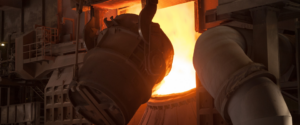
Steel Manufacturer Achieves $40K Annual Savings with Centrifugal Compressor Upgrade
In stainless steel production, uninterrupted uptime isn’t just a target; it’s critical. From powering automation and actuators to supporting cooling and descaling systems, compressed air plays a crucial role in ensuring every part of the mill operates at peak performance.

How to Specify a Centrifugal Compressor for Reliability and Lower Lifecycle Costs
When specifying a centrifugal compressor, the decisions made during the engineering phase can influence far more than equipment selection. Compressor specifications affect reliability, efficiency, project costs, installation requirements, controls architecture, lead times, and long-term operational performance.