











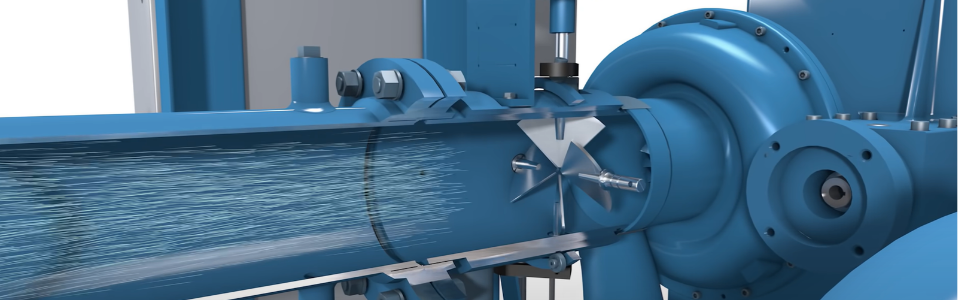

How Does a Centrifugal Compressor Work?
Learn how centrifugal compressors work, explore their key components and industrial applications, and discover how they deliver efficient, reliable, oil-free compressed air.

How Compressed Air Impacts Product Quality and Efficiency in Automotive Manufacturing
Automotive manufacturing relies on compressed air at virtually every stage of production. From robotic assembly and paint operations to material handling and battery manufacturing, compressed air powers critical processes that keep production moving.

The Importance of Energy Efficiency
Many manufacturers know that compressed air is often called the Fourth Utility. After water, electricity, and natural gas, compressed air is equally crucial for manufacturing, and luckily there are solutions to help improve energy efficiency to save costs and reduce greenhouse emissions. Additionally, increased efficiency is essential for ESG initiatives that ensure a healthy world for customers, employees, and communities.