












Cómo especificar un compresor centrífugo para garantizar la fiabilidad y reducir los costos de ciclo de vida
Al especificar un compresor centrífugo, las decisiones tomadas durante la fase de ingeniería pueden influir mucho más que la selección del equipo. Las especificaciones del compresor afectan a la fiabilidad, la eficiencia, los costos del proyecto, los requisitos de instalación, la arquitectura de los controles, los plazos y el rendimiento operativo a largo plazo.

Site Conditions to Consider When Sizing your Compressor
Centrifugal compressors provide compressed air for a wide range of applications across various industries, including food and beverage processing, petrochemical plants, and oil refineries. While flow and pressure requirements often drive initial selection, site conditions ultimately determine how the compressor performs in real operation.
Ambient conditions such as temperature, pressure, and humidity directly affect air density, which in turn impacts mass flow, power consumption, and achievable capacity
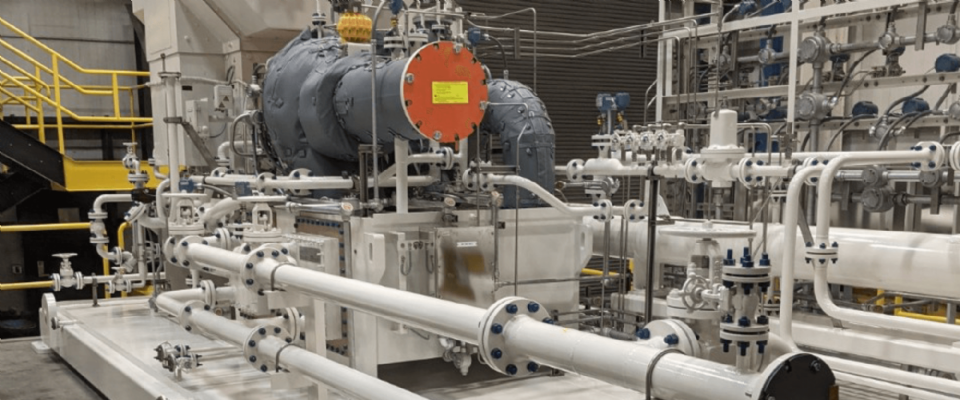
API 614 and API 672 Air Compressor Standards Guide
Compressed air is often called the “4th utility” after electricity, water, and gas, making reliable air compression a critical part of any industrial process. The loss of compressed air can result in costly unplanned downtime, resulting in hundreds of thousands or even millions of dollars in lost production per day. This is particularly true in many Oil, Gas, Chemical, and Liquified Natural Gas (LNG) applications that rely on compressed air throughout the upstream and downstream processes.