










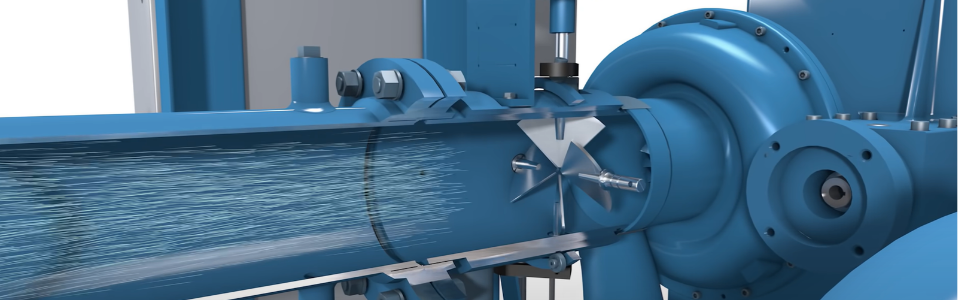

How Does a Centrifugal Compressor Work?
Learn how centrifugal compressors work, explore their key components and industrial applications, and discover how they deliver efficient, reliable, oil-free compressed air.

How to Specify a Centrifugal Compressor for Reliability and Lower Lifecycle Costs
When specifying a centrifugal compressor, the decisions made during the engineering phase can influence far more than equipment selection. Compressor specifications affect reliability, efficiency, project costs, installation requirements, controls architecture, lead times, and long-term operational performance.

What Can Oil-Free Air Compressors do for Your Plant?
Across industries, plant operators face growing pressure to reduce operating costs, protect product quality, and meet stringent environmental standards. One of the most effective ways to meet all three goals is by integrating ISO 8573-1 Class 0 certified oil-free air compressors into your compressed air system.