






How Air Compressors Are Used in Snowmaking Operations
1 月 3, 2026
Snowmaking plays a critical role in modern ski resort operations. It allows facilities to extend the season, maintain consistent surface conditions, and reduce reliance on variability in natural snowfall.
At the center of this process is compressed air, specifically centrifugal compressors. It drives snow production and represents one of the highest operational costs for ski resorts. In many systems, compressed air accounts for up to 75% of total snowmaking energy consumption, making system efficiency a key factor in overall cost control.
How the Snowmaking Process Works
Snowmaking systems rely on a controlled interaction between water, air, and ambient conditions.
Once temperatures drop below freezing, water and compressed air are delivered through a network of piping to snow guns positioned across the slopes. These systems typically operate at full capacity during favorable conditions to maximize production windows.
Inside the snow gun, compressed air performs several critical functions:
- Atomization – breaks water into fine droplets
- Projection – disperses droplets into the air
- Cooling support – promotes rapid freezing before droplets reach the ground
This process allows water to crystallize into snow before contact with the surface, ensuring consistent snow quality and coverage.
Operational Considerations for Snowmaking Systems
Snowmaking systems are designed for high-output, short-duration operation. Unlike many industrial applications, these systems often run at full load or remain idle, depending on environmental conditions.
Typical infrastructure includes:
- Extensive underground piping networks
- Distributed snow guns across large terrain areas
- Centralized compressed air systems
System sizing varies widely:
- Smaller resorts may operate around 500 horsepower
- Large-scale operations can exceed 10,000 horsepower
Given this scale, even small efficiency improvements can yield significant energy savings.
Why Compressor Efficiency Directly Impacts Cost
Compressed air is the dominant energy consumer in snowmaking. As a result, compressor performance has a direct impact on:
- Energy consumption
- Operating cost per cubic foot of snow
- System reliability during peak production windows
Inefficient compressors increase energy demand and limit production efficiency during critical temperature windows.
Modern centrifugal compressors provide a more efficient alternative to legacy systems by delivering:
- Lower energy consumption at high flow rates
- Stable operation under continuous load
- Reduced maintenance requirements
Air Quality and Environmental Considerations
Air quality plays a functional and environmental role in snowmaking.
Using oil-free compressors is standard practice, as oil contamination can:
- Interfere with snow formation
- Impact snow quality
- Introduce environmental concerns
Maintaining clean, oil-free air ensures consistent snow production while supporting environmental compliance and sustainability goals.
Supporting Snow Quality and Long-Term Impact
In addition to operational benefits, snowmaking supports broader environmental and surface management goals.
Consistent snow coverage:
- Improves slope durability throughout the season
- Helps maintain desired snow texture and performance
- Contributes to water redistribution after snowmelt
This can support soil moisture levels and reduce long-term environmental risk in surrounding areas.
Optimizing Snowmaking Through Compressor Strategy
Snowmaking systems operate within tight environmental windows. Efficiency, reliability, and responsiveness are critical.
A well-designed compressed air system should:
- Deliver consistent high-volume airflow during peak demand
- Operate efficiently at full load
- Maintain air quality standards
- Minimize energy consumption during production cycles
Facilities that invest in efficient compressor technology and proper system design are better positioned to control costs and maintain consistent snow output.
Keep Snowmaking Operations Running Efficiently
Connect with our team to explore how reliable, energy-efficient centrifugal air compressors can support consistent snowmaking performance, reduce operating costs, and maximize uptime throughout the winter season.
YOU MAY ALSO LIKE
Continue Reading

How Compressed Air Impacts Product Quality and Efficiency in Automotive Manufacturing
Automotive manufacturing relies on compressed air at virtually every stage of production. From robotic assembly and paint operations to material handling and battery manufacturing, compressed air powers critical processes that keep production moving.

Ethylene Plant Saves Over $100K Annually Through Compressed Air System Upgrades
A major ethylene production facility increased compressed air capacity and improved operational reliability through strategic system upgrades, achieving over $100,000 in annual energy and maintenance savings while meeting API 672 requirements.
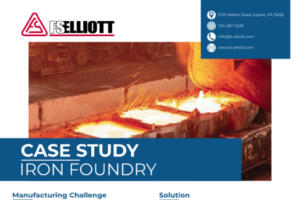
Cast Iron Foundry Saves Over $55K While Increasing Compressed Air Capacity
A cast iron foundry increased compressed air capacity by 4,500 CFM while reducing energy consumption and maintenance costs through centrifugal compression, achieving over $55,000 in savings and improving operational efficiency.
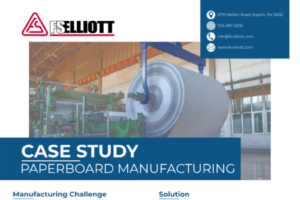
How a paperboard manufacturer saved over $135K/year by employing a centrifugal compressor.
A paperboard manufacturer reduced operating costs and improved efficiency by transitioning from rotary screw compressors to centrifugal compression, achieving over $135,000 in annual energy and maintenance savings while introducing oil-free compressed air to its processes.