





How Often Should You Start and Stop an Air Compressor Motor?
June 26, 2025
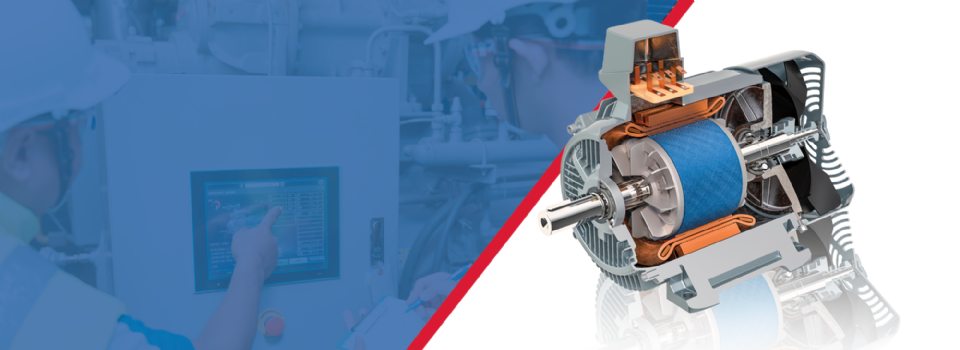
In industrial environments where compressed air demand fluctuates, it’s common to start and stop the air compressor motor based on process needs. While this is standard practice, excessive or unnecessary cycling can damage internal components, especially the motor windings, and reduce long-term system reliability. Understanding how often is too often is key to protecting your compressor investment.
NEMA Guidelines on Compressor Motor Starting Frequency
The National Electrical Manufacturers Association (NEMA) warns that frequent starts reduce motor lifespan. One standard has been highlighted below:
- “… the life of the motor is affected by the number of starts.”
To minimize these risks, NEMA recommends limiting motor starts per hour based on design. To assist our compressor operators, FS-Elliott control systems provide protection from frequent starting of the motor. Our software allocates two starts within a 60-minute timeframe for the user to perform. If the compressor would need to be started for a third time within the 60-minute time frame, then a bypass would be required to override the safety feature. But doing so should be avoided as much as possible since these additional starts can wear on the machine over time.
What to Know About Starters and Motor Compatibility
Both starters and motors are heavily impacted by frequent starts and stops, so paying extra attention to these areas is important. At FS-Elliott, we work to provide the best-in-class motors and starters with each of our Polaris® and PAP Plus® machines. However, if you select your own starter and motor, many factors should be considered.
Starter Selection
- Wye-Delta
- Full Voltage Across the Line
- Reduced Voltage Solid State
Motor Management
Avoiding Short Cycling and Protecting Motor Life
Short cycling is a risk that operators take when turning an air compressor motor on and off too frequently. This creates inefficient energy spikes and increased thermal load, as motors draw much higher current at startup than during steady operation. Without time to dissipate heat, motor temperature compounds, leading to insulation breakdown and decreased lifespan. FS-Elliott control panels offer hot motor protection to prevent operators from dangerous frequent starts and stops.
Protecting Your Compressor Through Smarter Motor Management
Protect Your Compressor Motor with Proper Start/Stop Practices
Connect with our team to explore how proper compressor start/stop procedures and advanced control systems can help reduce motor wear, prevent unnecessary downtime, and support long-term equipment reliability.
YOU MAY ALSO LIKE
Continue Reading

FS-Elliott Introduces Polaris® P300 AC, Delivering Oil-Free Centrifugal Performance Without Cooling Water
FS-Elliott introduces the Polaris® P300 AC, an air-cooled centrifugal compressor that delivers 900–2,220 cfm of ISO 8573-1 Class 0 oil-free air. Its design gives manufacturers the flexibility to install a new compressor or expand capacity without adding cooling water connections.

AeroSwap & FlowFit | Airflow Conversion & Compressor Planning
Discover how FS-Elliott’s AeroSwap and FlowFit online tools simplify airflow conversions and centrifugal compressor capacity planning in this FS-Elliott University video.

Lifecycle Optimization for Centrifugal Air Compressors — Episode 5: Why Driver Train Health Matters as Much as the Compressor Itself
In Episode 5, explore why motors, gearboxes, couplings, and auxiliary systems deserve close attention, and how the health of the driver train influences compressor reliability.