






What Can Oil-Free Air Compressors do for Your Plant?
abril 17, 2025
Across industries, plant operators face growing pressure to reduce operating costs, protect product quality, and meet stringent environmental standards. One of the most effective ways to meet all three goals is by integrating ISO 8573-1 Class 0 certified oil-free air compressors into your compressed air system.
Oil-free air compressors reduce maintenance, eliminate oil contamination risks, and improve long-term energy efficiency making them ideal for high-purity, regulated applications like pharmaceuticals, food processing, and electronics manufacturing.
What is Oil-Free Compressed Air?
Manufacturing Benefits of Oil-Free Air
Eliminates Risk of Contamination
Contamination from oil carryover can cause:
- Product recalls
- Quality degradation
- Regulatory violations
- Brand damage
By eliminating oil from the air stream entirely, Class 0 air oil-free compressors eliminate contamination risks associated with post-filtration failures or separator leaks safeguarding your product and reputation.
Equipment Protection and Reduced Maintenance
Residual oil from lubricated systems accumulates on:
- Pneumatic tools and actuators
- Valves and sensors
- Sensitive process equipment
Lower Environmental Impact
- Minimize Oil Usage – Oil-flooded screw compressors require 55 gallons of oil every six to twelve months for an oil change.
Oil-Free Compressors Help Reduce Operating and Energy Costs
Energy consumption accounts for 60–75% of a compressor’s total life cycle cost. Oil-free compressors reduce system resistance by eliminating:
- Oil separators
- Multiple oil filters
- Pressure drops across filtration points
With fewer restrictions in the air path, these systems deliver higher pressure at lower energy input—saving thousands in annual energy expenses.
Who Needs Oil-Free Compressed Air?
Pharmaceutical & Medical Manufacturing
Air purity is critical for sterile environments and must meet strict standards at every process point, from tablet coating to drying chambers. Even trace contamination from oil can compromise product safety and trigger costly recalls.
Food & Beverage Production
Regulatory frameworks like FSMA, GFSI, and BCAS require strict control of air purity in contact with food products. Oil-free air prevents contamination risks and aligns with modern food safety initiatives.
Electronics Manufacturing
Processes such as PCB cleaning and sensor production demand ultra-clean, dry air to avoid defects. Class 0 oil-free systems protect sensitive components from oil vapor and particulates.
Textile Industry
Compressed air used in air-jet looms and spinning machines must remain oil-free to avoid fabric staining and ensure uninterrupted high-speed operation.
Is Oil-Free the Right Fit for Your Plant?
It calculates:
- Current maintenance and energy expenses
- Potential savings from oil-free system integration
- Estimated reductions in carbon emissions
Improve Plant Performance with Oil-Free Compressed Air
Connect with our team to explore how FS-Elliott’s ISO 8573-1 Class 0 oil-free centrifugal compressors can help reduce contamination risks, improve production efficiency, and support reliable operation across your facility.
YOU MAY ALSO LIKE
Continue Reading

Cómo el aire comprimido afecta la calidad y la eficiencia de los productos en la fabricación de automóviles
La fabricación de automóviles depende de la presión de aire en prácticamente todas las etapas de la producción. Desde la ensambladura robótica y las operaciones de pintura hasta el manejo de materiales y la fabricación de baterías, la presión de aire impulsa procesos críticos que mantienen en marcha la producción.
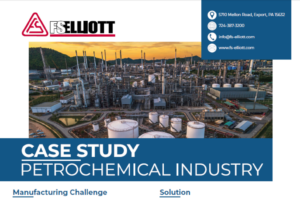
Ethylene Plant Saves Over $100K Annually Through Compressed Air System Upgrades
A major ethylene production facility increased compressed air capacity and improved operational reliability through strategic system upgrades, achieving over $100,000 in annual energy and maintenance savings while meeting API 672 requirements.
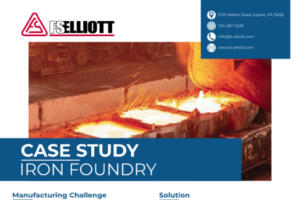
Cast Iron Foundry Saves Over $55K While Increasing Compressed Air Capacity
A cast iron foundry increased compressed air capacity by 4,500 CFM while reducing energy consumption and maintenance costs through centrifugal compression, achieving over $55,000 in savings and improving operational efficiency.
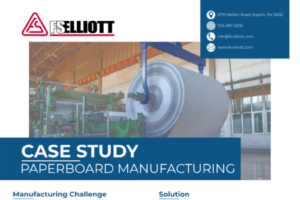
How a paperboard manufacturer saved over $135K/year by employing a centrifugal compressor.
A paperboard manufacturer reduced operating costs and improved efficiency by transitioning from rotary screw compressors to centrifugal compression, achieving over $135,000 in annual energy and maintenance savings while introducing oil-free compressed air to its processes.